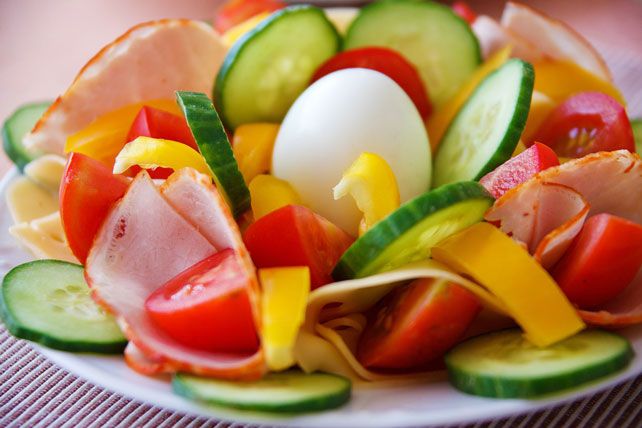
I used to believe the right diet existed and I just hadn’t found it yet. Low-carb, low-fat, paleo, Whole30, intermittent fasting, the Mediterranean thing before it became cool, plant-based for a while, high-protein for a different while. Each one worked for a few weeks. Each one stopped. The common denominator, in hindsight, was me and my life, not the diet.
I’ve come around on this. The research has been telling us for about 20 years that most reasonable dietary patterns produce similar weight loss results if people stick with them. The differences between diets in long-term trials are usually smaller than the differences within each diet group between the people who adhered and the people who didn’t. That doesn’t mean all diets are equal. It means the question “which is best” is usually the wrong question, and “which can I do for years” is the right one.
Here is the honest version of the four diets people ask me about most, plus what each one is genuinely good for and where each one quietly oversells.
Mediterranean-Style Eating
This is the dietary pattern with the most long-term evidence behind it. Not for weight loss specifically, but for cardiovascular health and general mortality. The PREDIMED trial published in the New England Journal of Medicine found that a Mediterranean diet supplemented with olive oil or nuts significantly reduced major cardiovascular events compared to a control diet, and the finding has held up across follow-up analyses.
What it’s good at: it works as a sustainable way to eat because it doesn’t ban anything, it emphasizes food that’s satisfying (olive oil, beans, fish, vegetables, whole grains, moderate dairy and wine), and it tracks with how many cultures have historically eaten. For weight loss, it’s not dramatic. For eating well for decades, it’s one of the cleanest answers I know.
Where it oversells: when marketed as a “weight loss diet,” the results are slower than most people hope. It’s not a cut-the-pounds plan. It’s a how-to-eat-forever plan, and the weight loss is a side effect of the forever part.
Low-Carb (Including Keto)
The honest summary here is that low-carb works for some people in the short term and stops working for most people in the long term, which is the same thing you could say about almost any diet. The DIETFITS trial in JAMA, one of the larger head-to-head trials comparing healthy low-fat and healthy low-carb eating over 12 months, found essentially the same weight loss in both groups (around 5-6 kg), with large individual variation within each group. The takeaway was that adherence mattered more than which approach was used.
What it’s actually good at: it’s satiating because protein and fat are more filling per calorie than refined carbs, which is why the first two weeks often feel easy. It’s also clinically useful for some specific medical conditions (type 2 diabetes, for example) under a doctor’s supervision. And for people who naturally prefer savory food and don’t feel deprived by giving up bread, it can be genuinely sustainable.
Where it oversells: the “carbs are the enemy” framing is oversimplified. Plenty of cultures with high-carbohydrate staple diets have historically low rates of obesity and metabolic disease. The version of low-carb that gets marketed aggressively (keto specifically) is also hard to sustain socially, since most restaurant menus and most weeknight dinners involve some kind of grain or starch.
Plant-Forward / Plant-Based
There’s a difference between “plant-forward” (mostly plants, with some animal products) and “plant-based” (entirely plants), and the research tends to favor the first. Both approaches, done well, track with lower body weight in large observational studies, and both require a little more thought than omnivorous eating to cover key nutrients (protein, B12, iron).
What it’s actually good at: centering vegetables, legumes, and whole grains crowds out the ultra-processed snack food that’s the actual problem in most diets. For weight loss, the effect comes less from avoiding animal products and more from what tends to replace them (beans, lentils, whole grains, vegetables). That’s a genuinely filling way to eat.
Where it oversells: the “plants are healing” framing ignores that ultra-processed plant foods are everywhere and often aren’t an upgrade. A diet of vegan junk food is still junk food. And the moral framing around animal products (“clean,” “heal your body”) crosses into territory Lauren doesn’t live in. Food isn’t a moral category.
Intermittent Fasting
Intermittent fasting has the most vocal online community of any current diet pattern, and the actual research is more lukewarm than the enthusiasm suggests. The most rigorous trials comparing time-restricted eating to plain calorie restriction have generally found that they produce similar weight loss results, with IF offering no meaningful metabolic advantage for most people.
What it’s actually good at: for people whose biggest problem is mindless snacking at night or a chaotic eating schedule, putting a window around when you eat can produce real calorie reduction without the psychological burden of counting anything. It’s a tactic, not a magic protocol. When it works, it’s because the window cuts snacking.
Where it oversells: the hormonal-benefit narrative (“IF triggers autophagy / reset your metabolism / fixes insulin resistance”) is mostly overblown for people who aren’t in a research setting. The practical version is just “I eat in a 10-hour window and that stopped my midnight cereal habit.” That’s useful. The cellular-magic version isn’t really supported.
Which One Would I Pick
Honestly, I don’t follow any of them by name. What I actually do looks most like Mediterranean by default, with intermittent fasting showing up some weeks when my schedule lines up with it and disappearing other weeks when it doesn’t. That approach isn’t sold anywhere because it has no name and nothing to buy. It’s also the one that finally stopped making me feel like I was failing a diet every few months.
Pick the one whose rules match the way you already want to eat. The one that feels like “oh, I could eat this way forever” is the right one, and it’s probably obvious within a week of trying.